



The Kind of Beef You Can't Mass Produce

The best beef in the world might come from old cows.
It's day eleven of helping an 8,000-acre Montana ranch transition to the next generation. I'm standing in a field staring at two cows that were supposed to go to the sale barn. They're open. Didn't breed back. In the normal flow of ranching, that's the end of the line. You load them up, haul them to auction, and they disappear into the commodity market. Nobody knows where they end up. Nobody asks.
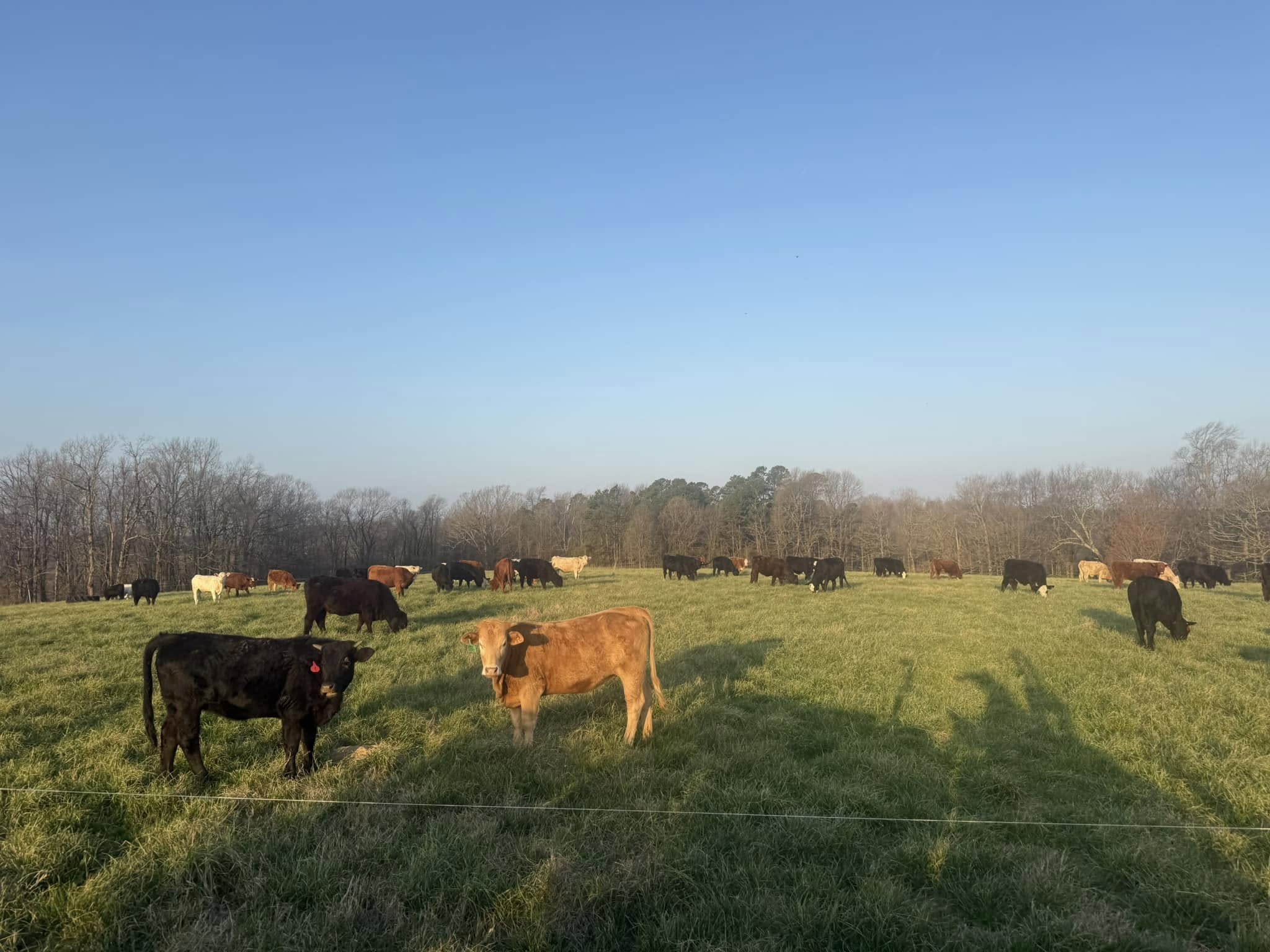
One of these cows is ten years old. The other is five. Both spent their entire lives on grass, out on Montana range.
But a ten-year-old cow on native pasture has been building myoglobin, the protein that gives beef its color and depth of flavor, for a decade. The same grass and time that build flavor build nutrition.
Researchers at Utah State have been studying this. The phytochemicals a cow eats on pasture, the antioxidants, the omega-3 precursors, they end up in the meat. The same compounds that make grass-fed beef taste different are the ones that make it better for you. You're literally tasting the nutrition. I got curious what a decade of that actually adds up to.
Turns out, some of the best chefs in the world already know.

In Spain's Basque Country, more Michelin-starred restaurants per capita than anywhere on earth, the most prized steak isn't cut from a young, tender steer. It's cut from retired cows, eight to eighteen years old, that spent their lives on grass. They call it txuletón. The meat is dark, with yellow fat and a depth of flavor that young beef can't touch.
Dan Barber at Blue Hill, one of the best restaurants in the country, has been saying the same thing for years. He harvests retired cows from his own farm. He called the beef from a 13-year-old grass-fed cow "the greatest 13-year-old grass-fed beef you will ever taste in your life."Said the yellow fat was so loaded with beta carotene you need sunglasses to look at it.
The Basque chefs know it. Barber knows it. You can't rush flavor.
So we drew blood from both cows and sent it to a lab. There's a DNA test that can tell you whether an animal is genetically predisposed to produce tender beef. That's the one thing everyone worries about with older animals. Flavor was never the question. Tenderness was. Both cows tested positive. The genetics say the risk isn't there.
We're harvesting them with a local butcher. Sending samples to a nutrient density lab. Doing a real taste test.
I'll be honest. I've fallen into the same thinking as everyone else. Young animal, fast finish, move on to the next one. That's been my paradigm.
I've been re-reading Mark Schatzker's Steak. He keeps coming back to the same thing. Age and grass are where flavor lives.
The whole commodity system is built on the opposite assumption. Get them to market weight as fast as possible. Send them to a feedlot. Pump them full of corn. When a cow stops producing, she's worth whatever the sale barn says she's worth.
What if the most respectful thing you can do for that animal is find out?
I'm starting to think most of the things worth knowing about are things somebody decided to stop looking at.
Your farmer,
Cody
Leave a comment